
Showing the single result
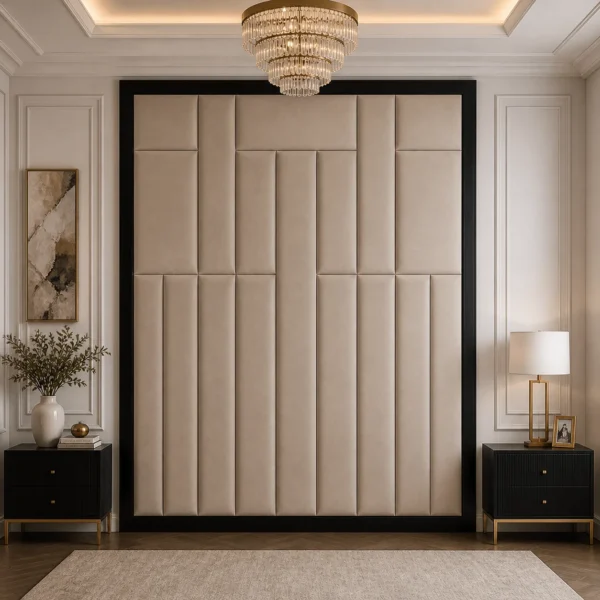
Bed Headboards
Finding the right headboard is one of the simplest ways to change the whole feel of a bedroom. Whether you want extra comfort while you sit up in bed, a bit of protection for the wall behind your pillows, or simply a stronger focal point for the room, a well-chosen headboard pulls the whole setup together. Below you'll find the different types, styles and sizes available, along with practical guidance on choosing the right one for your bed and your space.
Choose the Perfect Headboard for Your Bedroom
A headboard does more than sit behind your pillows. It's often the first thing you notice when you walk into a bedroom, and it plays a big part in setting the tone, whether that's soft and traditional, sharp and modern, or something bolder that acts as a statement piece. Beyond looks, the material, height and fixing method all affect how comfortable and practical it is day to day. The sections below cover the main things to think about, from material and style through to sizing, so you can narrow down the right option for your bed and bedroom.
Types of Headboards
Headboards are available in a range of materials, each with a different look, feel and level of maintenance.
Wooden Headboards
Wooden headboards bring a natural, solid feel to a bedroom and tend to suit both traditional and contemporary schemes depending on the finish. Lighter woods such as oak or pine give a fresher, more casual look, while darker stained finishes lean towards a classic, furniture-led bedroom. Wood is generally easy to keep clean and holds up well over time.
Upholstered Headboards
Upholstered headboards are covered in fabric and padded for a softer look and feel. They're a popular middle-ground choice, adding comfort without the strong texture of velvet or the coolness of leather, and they come in a wide range of fabric colours to suit most bedroom colour schemes.
Velvet Headboards
Velvet headboards have a soft, tactile finish with a subtle sheen that catches the light. The fabric adds noticeable texture and depth to a bed, which is why velvet is often chosen when someone wants their headboard to stand out rather than blend into the background.
Metal Headboards
Metal headboards, often in frames of slim bars or scrollwork, give a more open, lightweight look compared with upholstered or wooden options. They tend to suit bedrooms with an industrial, vintage or classic wrought-iron feel, and because they're open rather than solid, they can make a smaller room feel less boxed in.
Leather Headboards
Leather and faux leather headboards have a smooth, structured finish that's easy to wipe down. They tend to suit modern bedrooms and pair well with clean-lined furniture, offering a slightly more formal look than fabric upholstery.
Headboard Styles and Designs
Beyond material, the shape and design of a headboard determines how well it fits your bedroom's overall look.
Modern Headboards
Modern headboards favour clean lines, simple geometric shapes and understated detailing. They usually work well in bedrooms with a contemporary, uncluttered feel and pair easily with plain bedding and minimal decor.
Traditional Headboards
Traditional headboards often feature classic detailing such as button tufting, wing shapes, or ornate wooden frames. They suit bedrooms built around a more established, timeless look, and tend to pair well with warmer colour palettes and classic furniture pieces.
Statement Headboards
Statement headboards are chosen specifically to draw the eye, whether through a bold shape, an unusual silhouette, or a striking colour. They work well as the centrepiece of a bedroom when the rest of the room is kept relatively simple, letting the headboard do the visual work.
Minimalist Headboards
Minimalist headboards keep things simple with plain panels, low-profile shapes and neutral tones. They suit bedrooms where the goal is a calm, uncluttered look, and they tend to work well in smaller rooms where a bulkier headboard might feel overwhelming.
What Are the Benefits of Headboards?
A headboard isn't just decorative. It serves a few practical purposes as well.
Added Comfort
A headboard gives you something padded or solid to lean against when sitting up in bed to read, watch TV or work on a laptop, rather than resting directly against a bare wall or pillows stacked against nothing.
Back Support
Upholstered and padded headboards in particular offer a more comfortable, supported position for sitting up in bed, which can make a real difference if you spend time in bed outside of sleeping.
Protecting the Wall
A headboard sits between your pillows and the wall, helping to prevent marks, scuffs or wear on the paintwork or wallpaper that can build up over time from regular contact.
Improving Bedroom Aesthetics
The headboard is usually the largest visible piece of furniture at the head of the bed, so it has a big influence on how the whole room looks and feels, whether you're going for something subtle or a stronger focal point.
Completing Your Bed Setup
A bed frame or divan base without a headboard can feel unfinished. Adding one gives the bed a sense of proportion and structure, and ties the whole sleeping area together visually.
What Size Headboard Do You Need?
Headboards are sized to match standard UK bed widths, so getting the size right depends on the bed you already have or plan to buy.
Small Single Headboards
Designed for small single beds, typically 2ft6 wide. A good fit for compact bedrooms, box rooms, or children's rooms where space is limited.
Single Headboards
Sized for standard single beds at 3ft wide. A common choice for guest rooms, teenage bedrooms and single sleepers.
Three Quarter Headboards
Made for 3ft4 to 4ft wide beds, sitting between a single and a double. Less common, but useful if you have this in-between bed size.
Double Headboards
Fitted to standard double beds at 4ft6 wide. One of the most popular sizes, suited to main bedrooms and couples who don't need the extra width of a king.
King Size Headboards
Sized for 5ft wide king beds, offering more sleeping space and a headboard with enough presence to suit larger bedrooms.
Super King Size Headboards
Designed for 6ft wide super king beds, the largest standard UK bed size. These headboards make the most visual impact and suit bedrooms with generous proportions.
How to Choose the Right Headboard
With so many types, styles and sizes available, it helps to work through a few key considerations before deciding.
Choose the Correct Size
Match the headboard width to your bed size, from small single through to super king, so it sits correctly against your bed frame or divan base without gaps or overhang.
Select the Right Material
Think about how the headboard will be used day to day. Fabric and velvet options add softness and comfort for sitting up in bed, while wood, metal and leather offer a more structured look with less maintenance.
Choose a Style That Matches Your Bedroom
Consider whether your bedroom leans modern, traditional, minimalist or bolder in style, and pick a headboard design that complements the furniture and colours you already have.
Consider the Headboard Height
Taller headboards create more visual impact and can make a bedroom feel more finished, while lower-profile headboards suit smaller rooms or a more understated look.
Check Bed Frame Compatibility
Headboard fixing points and height need to suit your existing bed frame or divan base.
Consider the Fixing Method
Different headboards attach in different ways, and this can affect how easy they are to fit and whether they suit your existing bed.
Frequently Asked Questions
What Size Headboard Should I Choose?
Match the headboard to the width of your bed, from small single (2ft6) up to super king (6ft). Checking your bed frame or divan base measurements beforehand will help you pick the correct size.
Can I Use a Larger Headboard With a Smaller Bed?
Headboards are generally sized to match specific bed widths, so a larger headboard won't fit correctly on a smaller bed frame or divan base. It's best to choose a headboard that matches your bed size exactly.