
Showing all 5 results
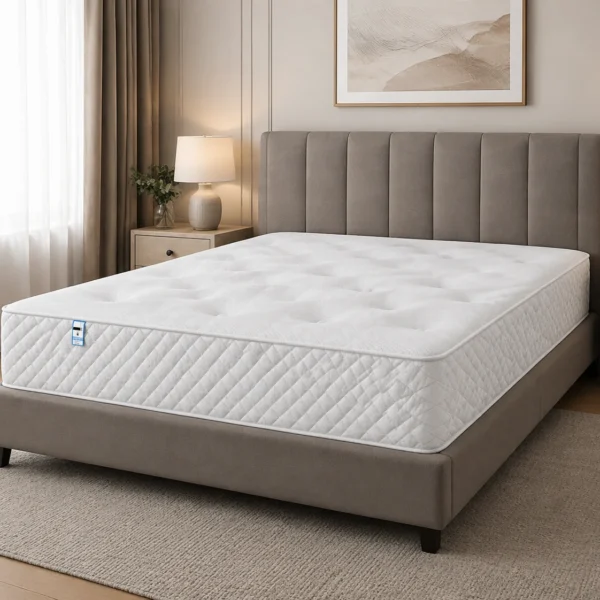
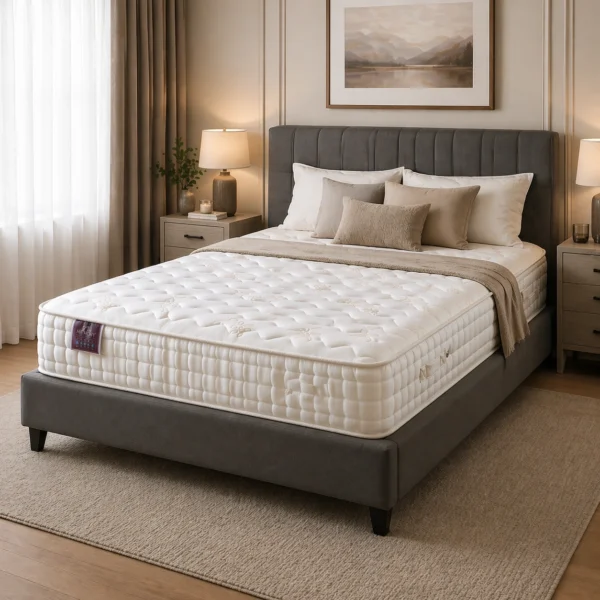
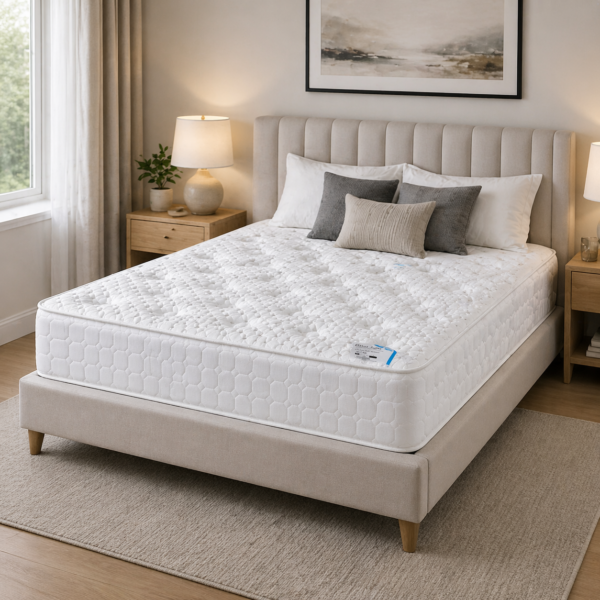
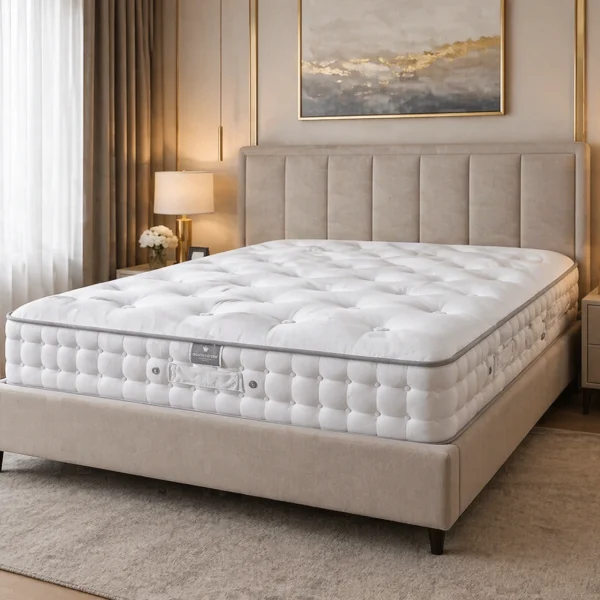
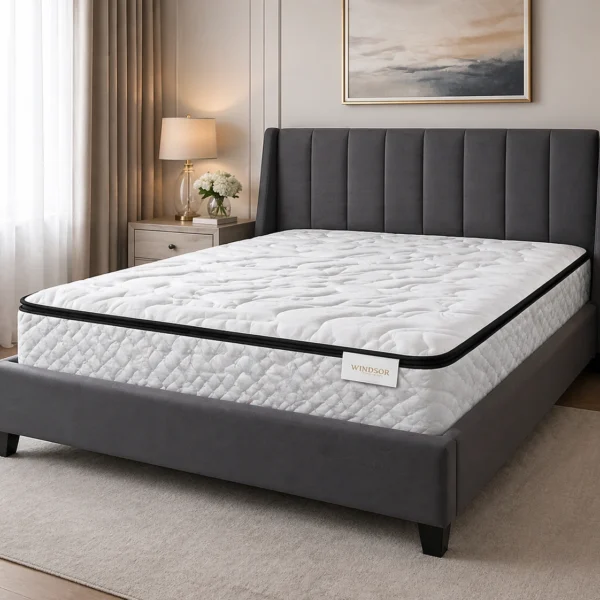
Choosing the right mattress affects how well you sleep, how your back feels each morning, and how long the mattress itself will last. Living Style Furniture stocks a range of mattress types, sizes and firmness levels to suit different sleeping positions, budgets and bedroom setups across the UK. Below, we've broken down the options to help you find the right fit.
Types of Mattresses
Each mattress type offers a different balance of support, comfort and price. Here's a quick overview of what each one offers.
Memory Foam Mattresses
Memory foam moulds to the shape of your body, spreading weight evenly and reducing pressure on the hips and shoulders. It's a good choice for side sleepers and anyone who shares a bed, as it absorbs movement well.
Pocket Spring Mattresses
Individually wrapped springs move independently, giving targeted support across different parts of the body. This makes pocket spring mattresses a popular choice for couples with different weights or sleeping positions.
Combination Mattresses
These pair a spring support layer with a foam or memory foam comfort layer, aiming to combine the responsiveness of springs with the contouring feel of foam.
Traditional Spring Mattresses
Also known as open coil mattresses, these use a single interconnected wire framework. They tend to be firmer and more affordable, though they offer less individual support than pocket springs.
Gel Mattresses
Gel-infused foam is designed to draw heat away from the body, helping to regulate temperature for people who sleep hot or find standard memory foam retains too much warmth.
Latex Mattresses
Latex offers a naturally bouncier, more responsive feel than memory foam, with good breathability. It suits sleepers who want contouring support without the "sinking" sensation of foam.
Natural Mattresses
Made using natural fillings such as wool, cotton or latex, these mattresses appeal to buyers who prefer fewer synthetic materials and better natural breathability.
Hypoallergenic Mattresses
Designed with materials and covers that resist dust mites and allergens, these are a sensible option for allergy sufferers or households with asthma.
Kids Mattresses
Sized and built for children's beds, kids mattresses are typically lighter and firmer to support a growing body, and are often available in smaller or single dimensions.
Zip and Link Mattresses
Two single mattresses that zip together to form one super king-sized surface. They're a practical option for guest rooms, allowing the bed to split back into two singles when needed.
Mattress in a Box
Compressed, rolled and delivered in a compact box, these mattresses expand to full size once unpacked. They're easier to transport upstairs or into smaller properties than a traditional rolled mattress.
Mattress Sizes
UK mattresses come in standard sizes, so it's worth checking your bed frame dimensions before ordering.
Single Mattresses
90 x 190cm. Suited to children's rooms, guest rooms, or single-occupancy bedrooms with limited space.
Small Double Mattresses
120 x 190cm. A practical option for single sleepers who want extra room, or smaller bedrooms that can't fit a full double.
Double Mattresses
135 x 190cm. The most common choice for couples and main bedrooms, offering a balance of space and room-to-fit.
King Size Mattresses
150 x 200cm. Provides significantly more width and length than a double, well suited to couples who want extra personal space.
Super King Mattresses
180 x 200cm. The largest standard UK size, ideal for larger bedrooms and those who prioritise maximum sleeping space.
How to Choose the Right Mattress
Consider Your Sleeping Position
Side sleepers generally benefit from softer, more contouring mattresses like memory foam to cushion the shoulders and hips. Back sleepers usually need medium support to maintain spinal alignment, while front sleepers often do better on firmer surfaces that prevent the hips from sinking too low.
Choose the Right Mattress Type
Think about what matters most to you: pressure relief, motion isolation, temperature regulation, or budget. This will point you toward foam, spring, or a combination option.
Consider Support and Comfort
A mattress needs to support your spine's natural alignment while remaining comfortable enough for pressure points like the hips and shoulders. The right balance depends on your body weight and preferred sleeping position.
How Do I Choose the Right Mattress Firmness?
Soft Mattresses
Soft mattresses allow more sinkage, which suits lighter individuals and side sleepers who need extra cushioning at the shoulders and hips.
Medium Mattresses
Medium firmness is the most versatile option, offering a balance of support and comfort that suits most back sleepers and combination sleepers.
Firm Mattresses
Firm mattresses offer minimal sinkage and stronger support, generally preferred by front sleepers and heavier individuals who need extra reinforcement.
Which Mattress Type Is Right for Me?
Memory Foam vs Pocket Spring Mattresses
Memory foam contours closely to the body and isolates movement well, making it suited to side sleepers and light sleepers sharing a bed. Pocket springs offer more targeted support and a bouncier feel, often preferred by back and front sleepers or those who find foam too warm.
Pocket Spring vs Traditional Spring Mattresses
Pocket springs move independently for zoned support and better motion isolation, while traditional spring mattresses use a connected coil system that's firmer and generally more budget-friendly, but with less individual support.
Memory Foam vs Combination Mattresses
Memory foam gives full-body contouring throughout, while combination mattresses pair a spring base with a foam comfort layer, offering more responsiveness and a cooler feel than foam alone.
How Much Should I Spend on a Mattress?
Mattress prices generally fall into three tiers. Budget mattresses, often traditional spring or basic foam, offer functional support at the lowest cost. Mid-range mattresses, including many pocket spring and combination options, offer improved durability and comfort layers. Premium mattresses, such as natural fillings or advanced memory foam, typically offer the highest comfort and longest expected lifespan. Your ideal budget depends on how often the mattress is used, your body weight, and how long you want it to last.
Frequently Asked Questions About Mattresses
How often should you replace a mattress?
Most mattresses are recommended for replacement every 7 to 8 years, though this can vary depending on mattress type, usage, and how well it's cared for.
What mattress is best for side sleepers?
Memory foam or a softer pocket spring mattress tends to work well for side sleepers, as they cushion the shoulders and hips while keeping the spine aligned.
Do I need a specific bed base for my mattress?
Most mattresses work with slatted or solid bed bases, but it's worth checking the manufacturer's guidance, as some mattress types perform best with a particular base type.
What is the best mattress firmness?
There's no single best firmness — it depends on your body weight and sleeping position. Medium firmness suits the widest range of sleepers, while side sleepers often prefer softer options and front sleepers tend to prefer firmer support.